The problem with financial advice is that the right answer is often dull
Few pieces of personal finance advice are repeated more often than “build an emergency fund.” People know it. Experts say it. Budget templates include it. And yet, in real life, it remains surprisingly hard to prioritize.
That is because an emergency fund competes poorly with everything more exciting. Paying off debt feels urgent. Investing feels ambitious. Buying something you actually want feels rewarding. Saving cash for a future problem feels abstract.
Until the future problem arrives.
Then suddenly emergency savings stop feeling boring and start feeling like one of the most important financial tools a household can have.
What an emergency fund really buys
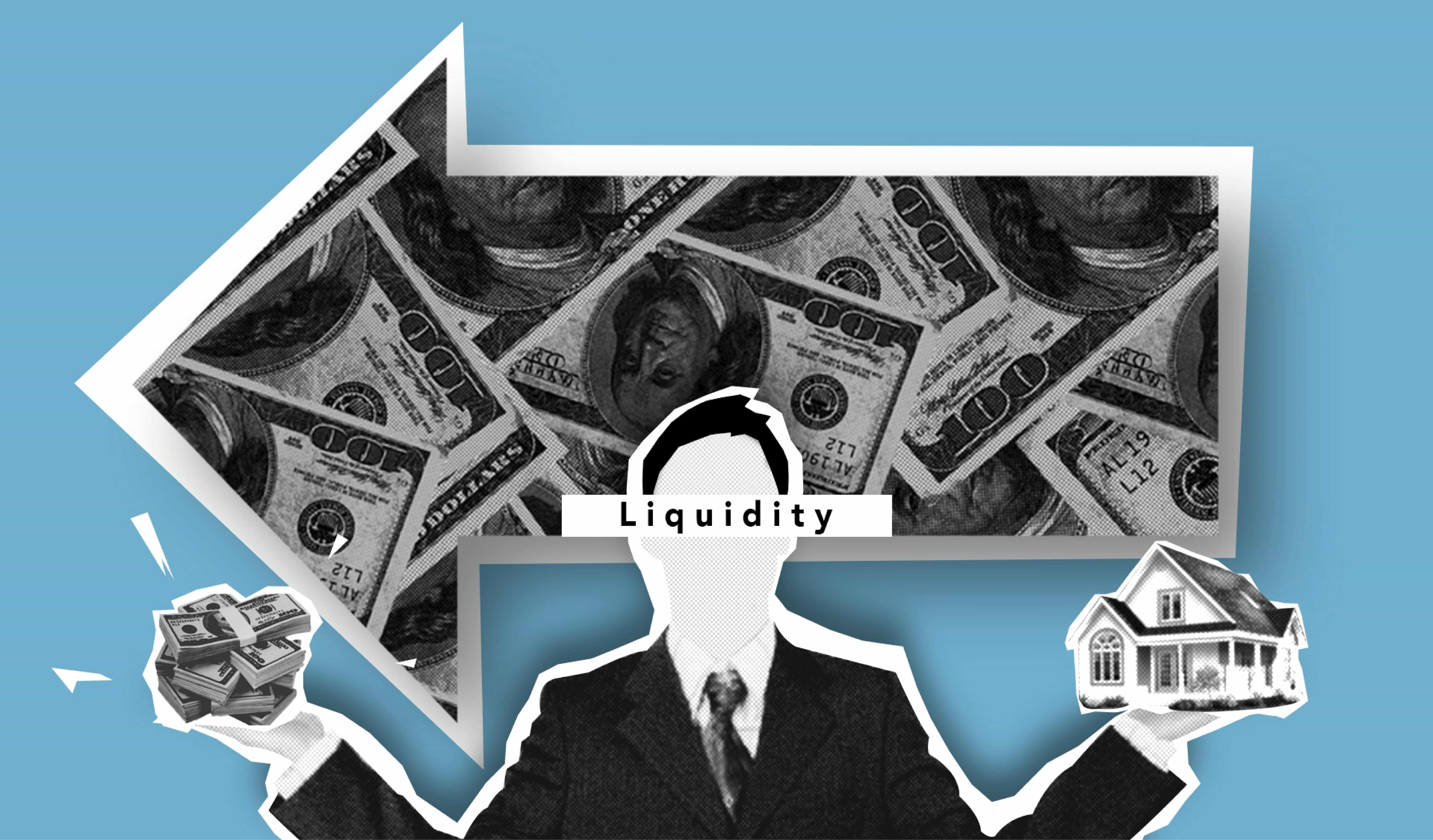
People talk about emergency funds as if they are just a cash target. In reality, they buy something much more important: decision quality under stress.
When a repair bill, medical cost, travel emergency, or job disruption appears, a cash buffer can prevent a bad situation from turning into expensive debt, panic, or forced liquidation of long-term investments. That is why financial planning starts to look very different once cash reserves exist.
It does not need to be perfect to be useful
One reason people procrastinate on savings is that they imagine the goal as too large. Three months of expenses, six months, maybe more. Those are useful targets, but the psychology can backfire. If the finish line feels impossibly far away, people stop valuing partial progress.
A smaller buffer still matters. Even a modest amount can cover a deductible, a repair, a flight, or a week of breathing room. That may not sound dramatic. It can change everything.
Conclusion: boring money is powerful money
An emergency fund rarely makes anyone feel clever. It does not produce market excitement or visible status. What it produces is quieter: resilience, flexibility, and the ability to make less desperate choices when life gets expensive.
In a volatile economy, that kind of boring starts to look pretty valuable.
The best time to appreciate an emergency fund is before you need it. The second-best time is the day it saves you.