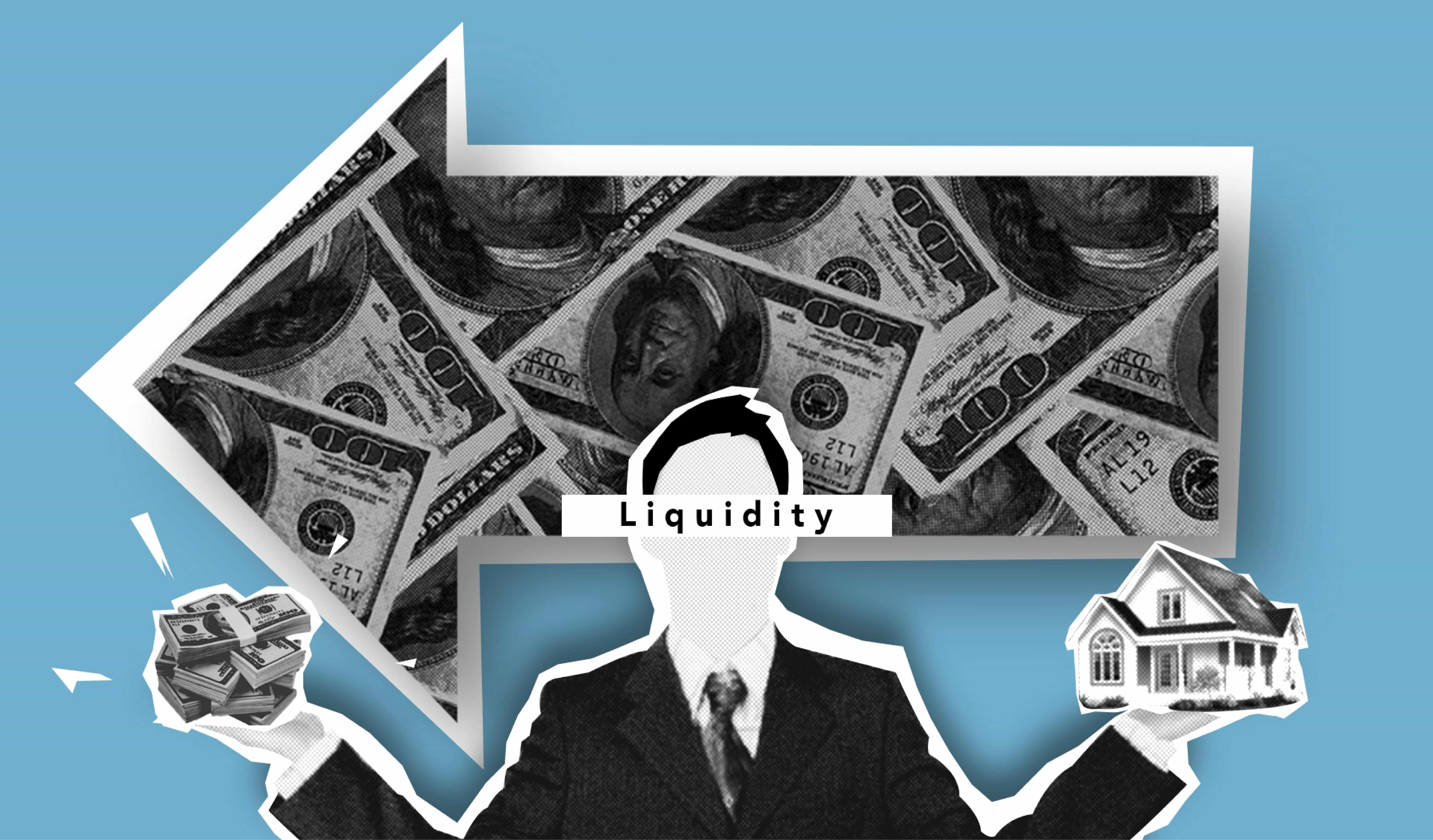

The old milestones no longer feel as reassuring
Retirement planning used to come with a cleaner set of mental checkpoints. Save regularly, avoid too much debt, invest steadily, own your home if possible, and let time do the heavy lifting. Those principles are still useful. The problem is that they no longer produce the same level of confidence.
In 2026, many responsible savers still feel uneasy.
That is not because they failed. It is because retirement planning now has to absorb more uncertainty than the old advice assumed: longer lifespans, healthcare costs, volatile markets, housing pressure, policy uncertainty, and the simple reality that many people do not trust the future to behave in a straight line.
People are saving, but they do not feel safe
This is one of the most interesting trends in financial planning . Individuals may be contributing to retirement accounts, building diversified portfolios, and following solid advice, yet still feel behind. Searches for terms like:
- how much do I need to retire
- retirement planning calculator
- best retirement investments 2026
- safe withdrawal rate
- retirement income planning
reflect a search for certainty that the market cannot fully provide.
The missing piece is often not effort, but clarity
Many savers are doing the hard part—consistency—but struggling with the emotional part. They do not know what “enough” looks like anymore. Inflation keeps moving the target. Healthcare costs feel unknowable. Market returns look less trustworthy when headlines swing so violently.
That creates a strange psychological trap: people save diligently but rarely feel done.
Better planning now means scenario thinking
The strongest retirement plans are no longer built around a single projection. They are built around ranges. What if markets disappoint? What if expenses run hot for longer? What if retirement arrives in stages rather than all at once? What if part-time work remains useful longer than expected?
This kind of planning may feel less neat, but it is more honest.
Conclusion: retirement confidence now requires flexibility, not just discipline
Saving and investing still matter. They matter enormously. But modern retirement planning also requires flexibility, realistic assumptions, and a willingness to update the plan instead of worshipping an old one.
That is why retirement feels harder even for people doing many things right. The challenge is no longer only building wealth. It is building enough adaptability to live with uncertainty once the earning years slow down.
In 2026, the best retirement plan is not the most optimistic one. It is the one that still works when the future turns out messier than expected.